

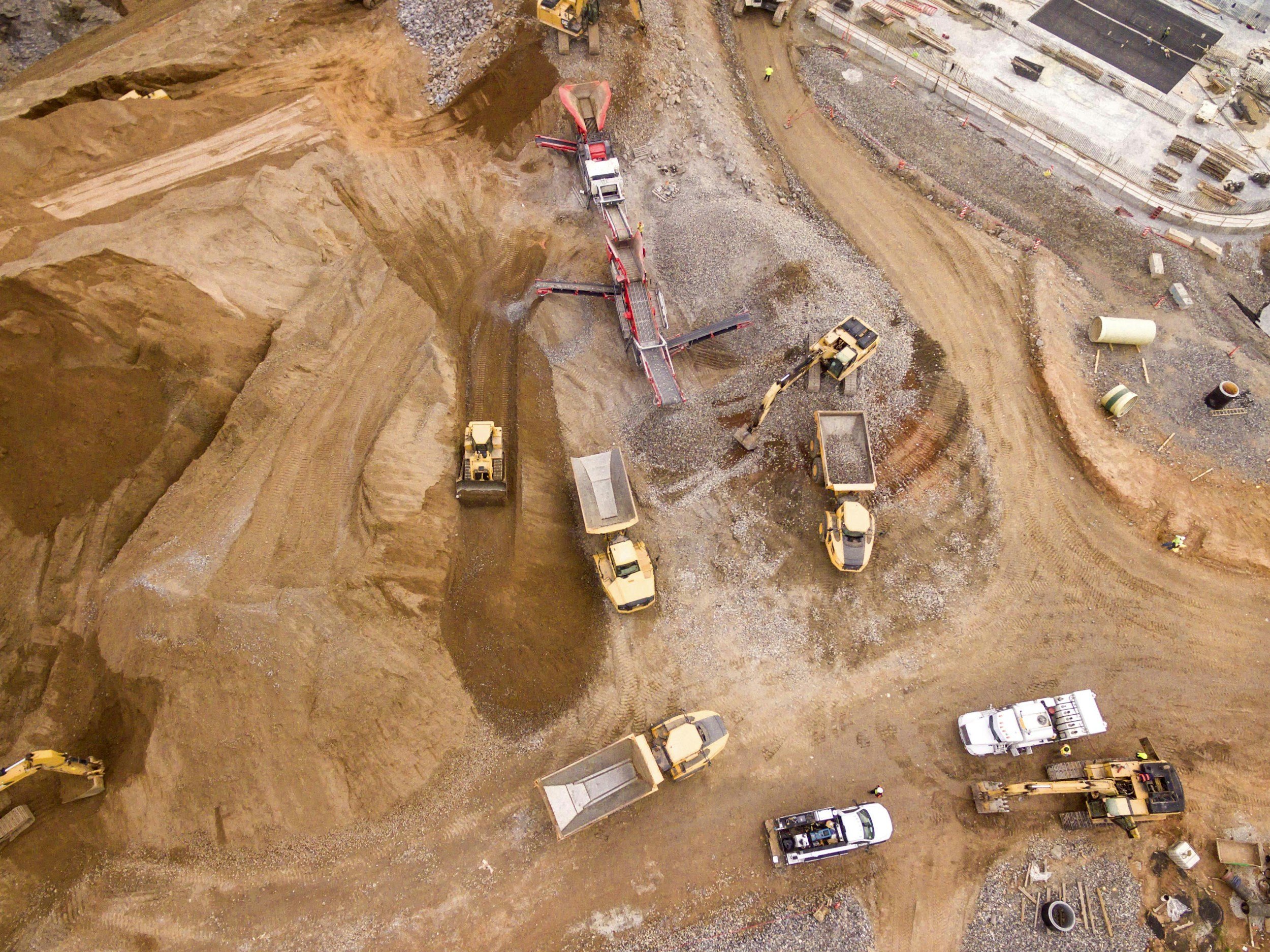
Construction Environmental Management Plan
At Raincloud, we prepare specialist Construction Environmental Management Plans (CEMP) that help developers manage environmental risks during construction and satisfy planning, regulatory and stakeholder requirements.
Using the latest environmental data, planning requirements, environmental assessments and site-specific information, Raincloud develops practical CEMPs tailored to the needs of each project.
Construction Environmental Management Plan (CEMP)
What is a Construction Environmental Management Plan?
A Construction Environmental Management Plan (CEMP) is a document that sets out how environmental risks will be managed during the construction phase of a development.
A CEMP is designed to minimise the environmental impacts of construction activities and demonstrate to planning authorities, regulators and stakeholders that appropriate controls will be implemented on site.
For developments affecting the water environment, a CEMP typically includes measures to protect:
Rivers and watercourses
Groundwater resources
Private water supplies
Surface water quality
Aquatic habitats
Floodplain function
A Construction Environmental Management Plan often forms part of a planning application or is required to discharge a planning condition before construction begins.
For developers, a well-prepared CEMP helps reduce environmental risk, improve regulatory compliance and avoid delays during construction.
Our approach focuses on identifying environmental risks before construction begins and developing clear mitigation measures that can be effectively implemented on site.
By integrating recommendations from Flood Risk Assessments, Water Framework Directive Assessments, Ecological Assessments and other technical studies, we deliver CEMPs that are both practical for contractors and robust enough to satisfy planning authorities and environmental regulators.
Our Construction Environmental Management Plans typically address:
Surface water and groundwater protection
Pollution prevention and incident response
Flood risk management during construction
Sediment and erosion control
Water quality protection measures
Protection of rivers, streams and waterbodies
Private water supply protection
Construction drainage management
Ecological and habitat protection measures
Dust, noise and vibration management
Waste management and site housekeeping
Environmental monitoring and reporting procedures
Frequently Asked Questions (FAQs)
-
A Construction Environmental Management Plan is typically required where construction activities have the potential to affect the surrounding environment.
Planning authorities, the Environment Agency and other regulators frequently request a CEMP for developments involving:
• Large residential developments
• Renewable energy developments
• Commercial and industrial developments
• Waste management facilities
• Mineral extraction sites
• Major infrastructure projects
The requirement is often secured through a planning condition that must be satisfied before development can commence.
-
Not every development requires a Construction Environmental Management Plan, but many planning permissions now include conditions requiring a CEMP to be prepared and approved before construction starts.
In many cases, planning permission may be granted subject to the submission and approval of a CEMP.
Failure to provide an adequate Construction Environmental Management Plan can delay the discharge of planning conditions and potentially postpone the start of construction works.
Seeking environmental advice early in the project can help determine whether a CEMP is required and ensure that planning conditions are satisfied efficiently.
-
The content of a Construction Environmental Management Plan depends on the nature of the development and the environmental sensitivities of the site.
A typical CEMP includes:
Site Information
Environmental Responsibilities
Pollution Prevention Measures
Water Environment Protection
Ecology Protection Measures
Construction Controls
Emergency Procedures
For developments near rivers, floodplains or sensitive groundwater resources, specialist hydrology and water environment input is often required to ensure that risks are appropriately managed.
-
The cost of a Construction Environmental Management Plan varies depending on the size of the development, the environmental sensitivities of the site and the level of technical input required.
Where hydrology, flood risk or water quality issues are key planning considerations, a CEMP may need to incorporate findings from:
Flood Risk Assessments
Water Framework Directive Assessments
Hydrological Impact Assessments
Drainage Strategies
Private Water Supply Risk Assessments
Preparing a robust CEMP early can help avoid delays, reduce environmental risks and ensure planning conditions are discharged quickly.
The most cost-effective approach is often to develop the CEMP alongside other environmental assessments during the planning process rather than after planning permission has been granted.
Get in touch via our contact form or email hello@raincloud-consulting.co.uk and we will provide a free, clear and competitive fixed-fee quotation with no hidden costs.
-
The time required to prepare a Construction Environmental Management Plan depends on the complexity of the site and the level of environmental risk involved.
Simple developments can often be completed within a week, while larger and more environmentally sensitive developments may take weeks.
Where supporting assessments such as Flood Risk Assessments, drainage strategies or Water Framework Directive Assessments have already been completed, a CEMP can often be prepared more efficiently.
Starting the process early helps ensure that planning conditions can be discharged on time and that construction programmes remain on schedule.